
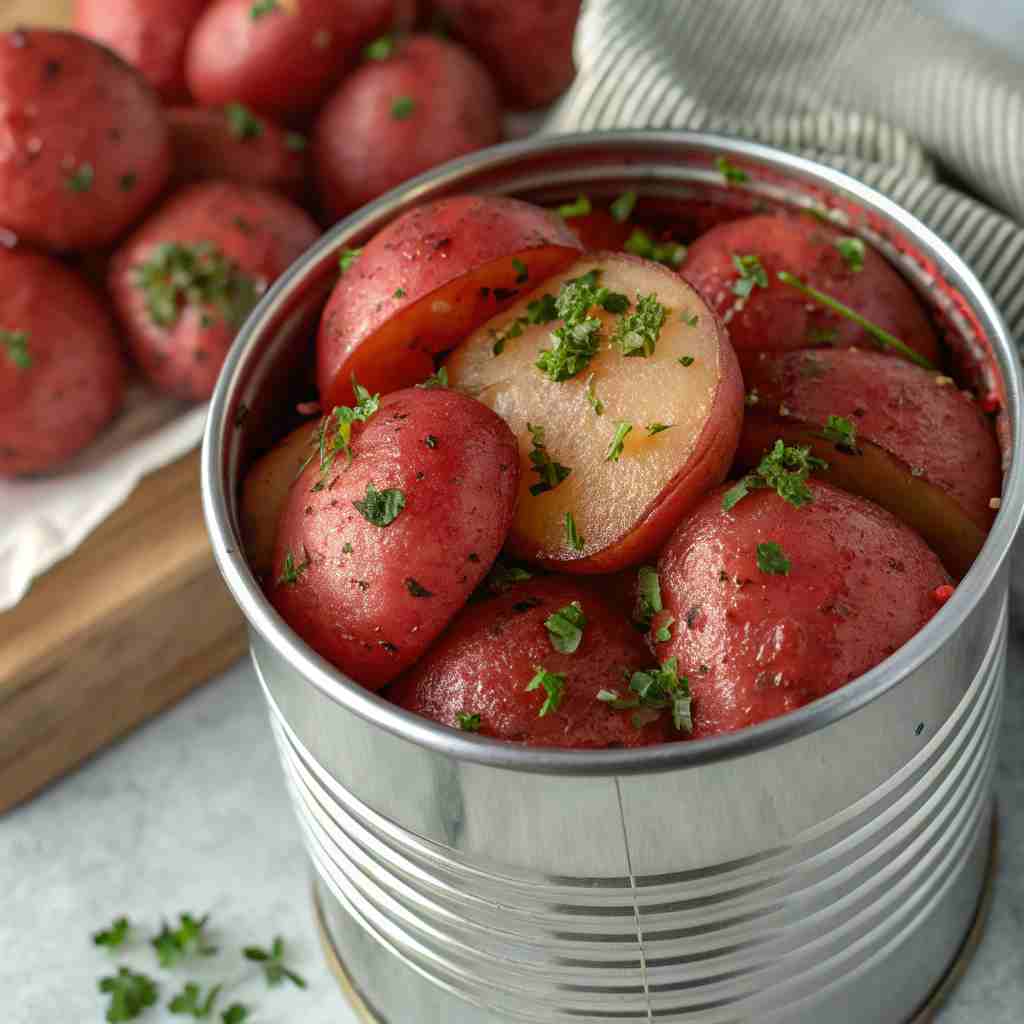
Yes, you can absolutely master Canning Red Potatoes, specifically waxy varieties, ensuring you have a delicious and shelf-stable option for countless meals. Properly canned red potatoes retain their texture and flavor, making them a convenient and satisfying addition to soups, stews, and side dishes. This post provides a comprehensive guide to safely preserving these gems, ensuring your pantry is stocked with wholesome goodness.
Jump To :
What is Canning Red Potatoes?
Canning red potatoes is a method of preserving these waxy treasures, ensuring they’re available long after harvest season. This process involves carefully preparing the potatoes, packing them into jars, adding a liquid, and processing them at a specific temperature and pressure using a pressure canner. Proper canning creates an airtight seal, preventing spoilage and keeping the potatoes safe to eat for an extended period.
It’s a rewarding way to make the most of your garden bounty or take advantage of seasonal sales. Red potatoes, unlike Russets, hold their shape well during canning and maintain a delightful slightly sweet flavour. Are you ready to start canning and fill your pantry with these little powerhouses of flavour?
Key Ingredients for Canning Red Potatoes:
- Red Potatoes (Waxy Variety): 12 pounds, select small to medium-sized potatoes. Wash thoroughly, peel or scrub well (peeling optional but recommended for best texture), and cut into 1-inch cubes.
- Water: Enough to cover the potatoes in the jars, plus extra for blanching. Use filtered water when possible.
- Canning Salt (Pickling Salt): 1 teaspoon per pint jar or 2 teaspoons per quart jar. Canning salt is pure sodium chloride with no additives that can discolor the potatoes or cause cloudiness.
- Optional: 1 tablespoon of bottled lemon juice or 1/2 teaspoon citric acid per pint jar (Helps maintain color and acidity). This helps ensure safety and color preservation.
How to Make Canning Red Potatoes:
Canning red potatoes is a simple yet satisfying method for preserving garden-fresh flavor. Follow this quick guide for success. First, boil your peeled or scrubbed and diced potatoes for blanching. Next, pack them into sterilized jars with salt, optional lemon juice or citric acid.
Finally, process them in a pressure canner for the recommended time to ensure they are safely preserved and retain their wholesome goodness. With a prep time of about 45 minutes and processing time depending on your altitude, you’ll have jars of delicious red potatoes ready to enjoy.
Step-by-Step Instructions:
Prepare the Potatoes: Wash the red potatoes thoroughly. You can peel them if desired (recommended for better texture after canning), or simply scrub them well to remove any dirt. Cut the potatoes into 1-inch cubes.Uniform pieces ensure even cooking and packing.
Blanch the Potatoes: Place the cubed potatoes in a large pot and cover with water. Bring to a boil and boil for 2 minutes. This step helps to deactivate enzymes that can cause discoloration and softening during canning.
Prepare the Jars: Wash canning jars, lids, and bands in hot, soapy water. Rinse well. Sterilize the jars by boiling them in a large pot of water for 10 minutes. Keep the jars hot until ready to use. You can also sterilize them in a dishwasher with a sterilization cycle.
Pack the Jars: Using a slotted spoon, transfer the blanched potatoes to the hot, sterilized jars, leaving 1-inch headspace at the top of the jar. Headspace is crucial for proper sealing.
Add Salt and Acid (Optional): Add 1 teaspoon of canning salt per pint jar or 2 teaspoons per quart jar. If desired, add 1 tablespoon of bottled lemon juice or 1/2 teaspoon citric acid per pint jar (or double for quart jars). The lemon juice or citric acid helps maintain the acidity of the potatoes, which is important for safe canning.
Add Water: Pour hot water over the potatoes in the jars, maintaining the 1-inch headspace. Tap jars gently to release trapped air bubbles.
Remove Air Bubbles: Use a non-metallic spatula or bubble freer to gently slide down the inside of the jar to release any trapped air bubbles. Readjust the headspace if necessary by adding more hot water.
Wipe the Rims: Wipe the rims of the jars clean with a damp cloth. This ensures a proper seal.
Place Lids and Bands: Place a sterilized lid on each jar and screw on the band until fingertip tight. Do not overtighten.
Load the Pressure Canner: Place the jars in the pressure canner on a rack, ensuring the jars do not touch. Add the amount of water specified in your pressure canner’s instruction manual (usually about 2-3 inches).
Process the Jars: Follow the specific instructions for your pressure canner. Generally, for dial-gauge canners:
- Pint Jars: Process for 35 minutes at 11 lbs pressure (for 0-2,000 ft altitude). Adjust pressure for higher altitudes.
- Quart Jars: Process for 40 minutes at 11 lbs pressure (for 0-2,000 ft altitude). Adjust pressure for higher altitudes.
For weighted-gauge canners:
- Pint Jars: Process for 35 minutes at 10 lbs pressure (for 0-1,000 ft altitude) or 15 lbs pressure (for altitudes above 1,000 ft).
- Quart Jars: Process for 40 minutes at 10 lbs pressure (for 0-1,000 ft altitude) or 15 lbs pressure (for altitudes above 1,000 ft).
Cool the Canner: Once the processing time is complete, turn off the heat and let the pressure in the canner drop to zero naturally. Do not force cool the canner. This can cause the jars to burst.
Remove the Jars: Carefully remove the jars from the canner using a jar lifter. Place them on a towel-lined surface, allowing them to cool completely for 12-24 hours. Do not touch or move the jars during this time.
Check the Seals: After the jars have cooled, check the seals by pressing down on the center of the lid. If the lid does not flex, it is properly sealed. If the lid flexes, it is not sealed, and you should either reprocess the jar with a new lid or refrigerate the potatoes and use them within a few days.
Label and Store: Label the jars with the date and contents. Store the canned red potatoes in a cool, dark, and dry place. Properly canned red potatoes should last for at least one year.
Why You’ll Love This Canning Red Potatoes:
Canning red potatoes offers a blend of convenience, flavour, and savings. The real highlight is the ready-to-use nature of the potatoes – perfect for quick weeknight meals. Simply open a jar and add them to your favourite stews, potato salads, or casseroles. Making them at home is cost-effective as buying canned in the store, especially when using homegrown potatoes, reducing grocery bills in the long run.
Red potatoes’ naturally buttery flavor and firm texture lend themselves well to canning, maintaining their quality even after processing. Red potatoes also make a great side dish for any number of main dishes! If you enjoyed this canning method, why not explore canning carrots, a similarly versatile vegetable that pairs beautifully with potatoes?
What to Serve Canning Red Potatoes With:
Canned red potatoes are incredibly versatile and pair well with a variety of dishes. Try them in hearty stews like beef stew or chicken stew. They’re also delicious in potato salads, adding a creamy and satisfying element.
For a simple side dish, sauté them with butter, garlic, and herbs. They complement roasted meats like chicken, pork, or beef. A chilled glass of white wine or a crisp salad can complete the meal.
Top Tips for Perfecting Canning Red Potatoes:
- Choose the Right Potatoes: Select small to medium-sized red potatoes for the best texture and flavor. Waxy varieties are essential as they hold their shape better during canning.
- Uniform Size: Cut the potatoes into uniform 1-inch cubes to ensure even cooking and packing.
- Don’t Overfill: Leaving the correct headspace (1 inch) is critical for proper sealing. Overfilling can cause the jars to seal improperly.
- Adjust for Altitude: Always adjust the processing time and pressure according to your altitude to ensure safe canning.
- Inspect Jars: Before canning, check jars for any chips or cracks. Discard any damaged jars.
- Use Canning Salt: Always use canning salt (pickling salt) without additives. Table salt contains iodine and anti-caking agents that can darken the potatoes and cause cloudiness in the jars.
- Cool Completely: Allow the jars to cool completely before checking the seals. This prevents false seals.
5 Facts about Canning Red Potatoes:
- Historical Roots: Canning has been used for centuries to preserve food, predating refrigeration.
- Safety First: Proper pressure canning is essential for safety, as it eliminates the risk of botulism, a dangerous toxin that can grow in low-acid foods.
- Nutrient Retention: Canning helps to retain many of the nutrients in red potatoes, making them a healthy addition to your diet.
- Shelf Life: Properly canned red potatoes can last for at least one year, making them a valuable addition to your emergency food supply.
- Convenience: Canned red potatoes are a convenient and versatile ingredient, ready to use in a variety of recipes.
Storing and Reheating Tips:
Storing: Once your canned red potatoes have completely cooled and you’ve confirmed the seals, store them in a cool, dark, and dry place, like a pantry or cellar. Avoid areas with temperature fluctuations or direct sunlight, as these can affect the quality and longevity of your canned goods. Properly stored canned red potatoes can last for up to a year or more.
Reheating: When you’re ready to use your canned red potatoes, simply open the jar and drain off the liquid. Rinse the potatoes lightly if desired. You can then reheat them in a variety of ways:
- Sautéing: Heat a tablespoon of butter or oil in a skillet over medium heat. Add the potatoes and sauté for 5-7 minutes, or until heated through and lightly browned.
- Microwaving: Place the potatoes in a microwave-safe dish with a splash of water or broth. Cover and microwave on high for 2-3 minutes, or until heated through.
- Adding to Soups or Stews: Simply add the drained potatoes to your soup or stew during the last 15-20 minutes of cooking time.
- Freezing: Although canned goods are meant for shelf storage, you can technically freeze the potatoes after opening the jar. However, be aware that freezing may alter the texture, making them softer. For best results, use the frozen potatoes in cooked dishes rather than as a standalone side. To freeze, drain the potatoes, place them in a freezer-safe bag or container, and freeze for up to 2-3 months.
Final Thoughts
Canning red potatoes is a rewarding way to preserve the taste of fresh garden produce and ensure you have a readily available and delicious ingredient for your meals. By following these guidelines carefully, you can enjoy flavorful, home-canned red potatoes all year round. Happy canning!
Read More also:
- Canning Pickled Jalapeños
- Canning Pickled Asparagus
- Canning Pickled Carrots
- Canning Hot Pepper Jelly
- Canning Mushroom Soup
- Canning Apricot Jam Recipe
- Canning Fig Jam Recipe
- Canning Plum Jam
- Our Pinterest
Canning Red Potatoes FAQs
Q: Do I have to peel the potatoes before canning?
A: Peeling is optional, but it is highly recommended for best results. Peeled potatoes tend to have a better texture after canning. The skins can become tough.
Q: Can I use other types of potatoes?
A: Waxy potatoes like red potatoes or Yukon Gold are best for canning. Russet potatoes tend to become mushy.
Q: What if the jars don’t seal?
A: If a jar doesn’t seal within 24 hours of processing, reprocess it with a new lid within 24 hours. If you don’t want to reprocess, refrigerate the canned potatoes and use them within a week.
Q: How long will the canned potatoes last?
A: Properly canned red potatoes stored in a cool, dark, dry place can last for at least one year, and often longer. Always check for signs of spoilage before using.
Q: What is the ideal size for cutting my potatoes?
A: Cut the potatoes into uniform 1-inch cubes. This size is ideal for even cooking during processing and avoids turning to mush in the canning experience.