
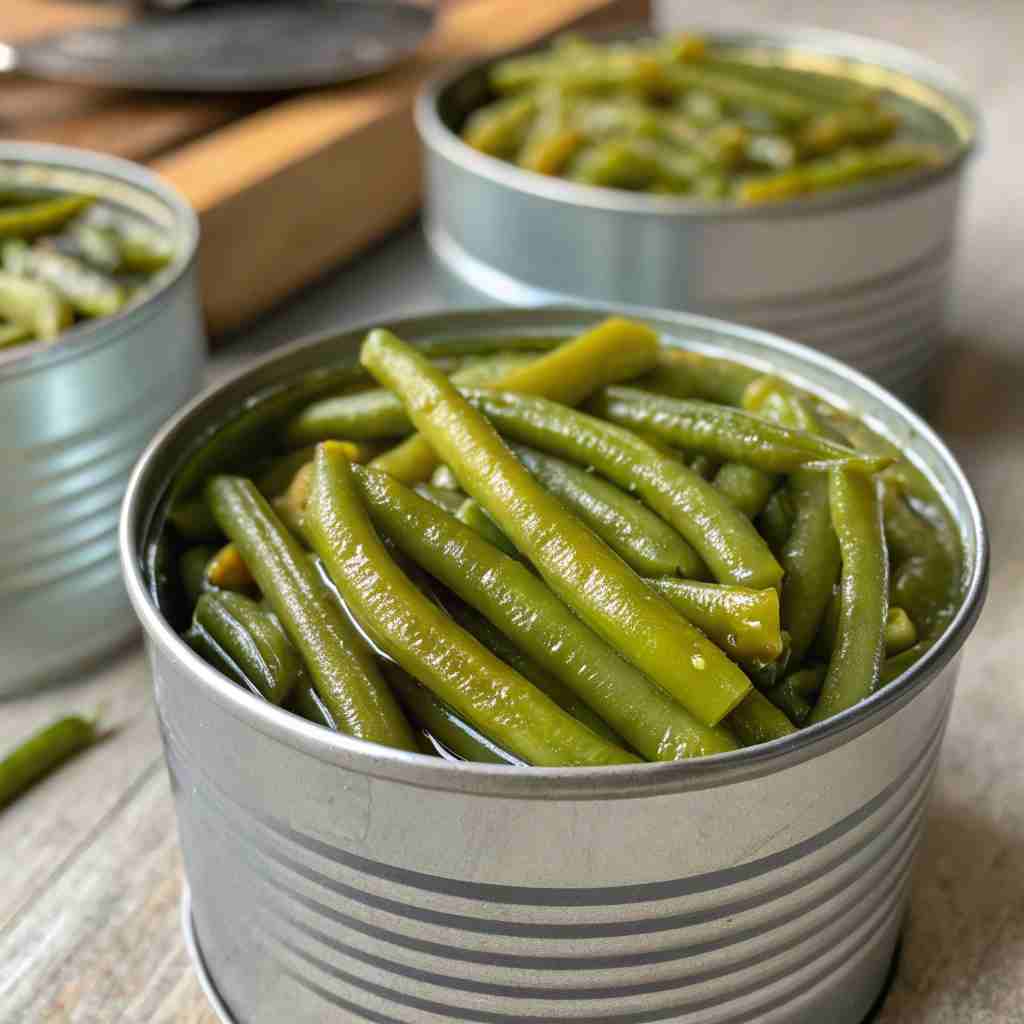
Are you looking for a way to preserve the fresh taste of summer all year round? Canning Green Beans is the perfect solution! This guide walks you through the process of safely pressure canning green beans at home, ensuring a delicious and healthy pantry staple ready to enjoy whenever you like. From selecting the best beans to mastering the pressure canning technique, we’ll cover everything you need for a successful and safe canning experience.
Jump To :
What is Canned Green Beans?
Canning green beans is a method of preserving fresh green beans by packing them into jars and then subjecting them to high heat under pressure. This process destroys harmful microorganisms that can cause spoilage and make you sick. Pressure canning is essential for low-acid vegetables like green beans because boiling water canning doesn’t reach high enough temperatures to kill botulism spores.
Canned green beans retain much of their flavor and nutritional value, providing a convenient and healthy addition to meals throughout the year. They are incredibly versatile and can be used in soups, stews, casseroles, or simply served as a side dish. Ready to give it a try? Let’s get started and enjoy the bounty of your garden all year long!
Key Ingredients for Canning Green Beans:
- Fresh Green Beans: 2 pounds of green beans per quart jar. Choose young, tender beans without blemishes or rust spots. Snap or trim the ends and cut into 1-inch pieces.
- Canning Salt (Pickling Salt): 1/2 teaspoon per pint jar or 1 teaspoon per quart jar. Canning salt is pure sodium chloride without iodine or anti-caking agents, which can cloud the liquid or discolor the beans.
- Boiling Water: Enough to cover the green beans in each jar. It is important to use boiling water to ensure proper heat penetration during the canning process.
- Optional: Granulated Garlic, Dried Pepper Flakes, or other Herbs/Spices Adding these can add flavor to the beans. Use small amounts for best results.
How to Make Canned Green Beans:
Pressure canning green beans is a great way to preserve your garden’s bounty. This method is straightforward, ensuring safety and delicious results. Ready in just a few hours, you’ll have jars of perfectly preserved green beans for your pantry.
- Prep time: 30 minutes
- Cook time: Processing time varies depending on the chosen method but is typically around 20-25 minutes (for pints) at 10-15 PSI in a pressure canner.
Step-by-Step Instructions:
- Prepare the Jars and Lids: Wash canning jars, lids, and bands in hot, soapy water. Rinse well. Sterilize the jars by placing them in a boiling water bath for 10 minutes, or running them through the sterilizing cycle in your dishwasher. Keep the jars hot until ready to use. Heat the lids in hot (but not boiling) water to soften the sealing compound.
- Prepare the Green Beans: Wash the green beans thoroughly under cold running water. Snap off the ends and cut into 1-inch pieces. You can leave them whole if you prefer, but shorter pieces pack better in the jars.
- Pack the Jars: You can choose to raw pack or hot pack the green beans. Raw packing involves filling the jars with raw green beans, while hot packing involves precooking the beans in boiling water for 5 minutes before packing. Hot packing results in better color retention and a tighter pack. For either method, pack the green beans into the hot jars, leaving 1-inch headspace. This means the beans should be about 1 inch below the rim of the jar.
- Add Salt and Water: Add ½ teaspoon of canning salt (or desired spices) to each pint jar, or 1 teaspoon to each quart jar. Pour boiling water over the green beans in each jar, maintaining the 1-inch headspace.
- Remove Air Bubbles: Use a non-metallic spatula or bubble remover to gently press on the sides of the jar to release any trapped air bubbles. Add more boiling water if necessary to maintain the 1-inch headspace.
- Wipe Jar Rims: Clean the jar rims with a clean, damp cloth to remove any food residue. This ensures a proper seal.
- Place Lids and Bands: Center the lids on the jars and screw on the bands until fingertip tight. Do not overtighten.
- Load the Pressure Canner: Place the jars in the pressure canner on a rack. Add the amount of water specified in your canner’s instructions (usually 2-3 inches).
- Vent the Canner: Secure the lid of the pressure canner and turn the heat to medium-high. Allow the canner to vent steam for 10 minutes to remove air from the canner.
- Close the Vent and Pressurize: Close the vent of the canner and allow the pressure to build to the required level for your altitude. The recommended pressure for green beans is either 10 PSI (pounds per square inch) or 15 PSI, depending on your altitude and the type of pressure canner you are using. Check your canner’s manual for specific instructions.
- Process the Jars: Once the pressure reaches the required level, start timing the processing. Process pint jars for 20 minutes and quart jars for 25 minutes. Maintain the correct pressure throughout the processing time. If the pressure drops below the required level, increase the heat slightly and reset the timer.
- Cool the Canner: Once the processing time is complete, turn off the heat and allow the canner to cool down naturally. Do not force-cool the canner, as this can cause the jars to break or the seals to fail. Wait until the pressure returns to zero and the vent lock drops before opening the canner.
- Remove the Jars: Carefully remove the jars from the canner using a jar lifter and place them on a towel-lined surface to cool. Avoid tilting the jars.
- Check the Seals: Allow the jars to cool completely for 12-24 hours. After cooling, check the seals. The lids should be concave (curved inward), and they should not flex when pressed. If a lid does not seal properly, refrigerate the jar and use the beans within a few days, or reprocess the jar using a new lid.
- Label and Store: Label the jars with the date and contents. Store the canned green beans in a cool, dark, and dry place. Properly canned green beans should last for at least one year.
Why You’ll Love This Canned Green Beans:
Canning your own green beans is a rewarding experience that ensures a delicious and healthy pantry staple. The best part is knowing exactly what goes into your food – no added preservatives or artificial ingredients. Plus, think of the money you’ll save by preserving your own produce compared to buying canned goods from the store! Imagine using these home-canned green beans in a hearty winter stew, adding a burst of summer flavor to your meal.
It’s a much tastier option than store-bought varieties, and also a creative way to use your favourite spices. If you like this recipe, you might also enjoy canning tomatoes or making homemade pickles. Ready to enjoy fresh beans year-round? Go grab those beans and start canning!
What to Serve Canned Green Beans With:
Canned green beans are a versatile side dish that pairs well with a variety of main courses. Try serving them alongside roasted chicken or pork, or add them to a hearty beef stew. For a vegetarian option, they complement lentil soup or quinoa salad.
To enhance the flavor, consider pairing them with mashed potatoes, cornbread, or a simple vinaigrette salad.
Top Tips for Perfecting Canned Green Beans:
- Use Fresh, High-Quality Beans: The best canned green beans start with the freshest, most tender beans. Avoid beans that are bruised, damaged, or overripe.
- Choose Canning Salt: Canning salt is crucial because it lacks iodine and anti-caking agents found in table salt. These additives can cause discoloration and cloudiness in your canned goods.
- Proper Headspace is Key: Maintaining the correct 1-inch headspace is essential for a proper seal. Too little headspace and the jars may not seal; too much headspace and the food at the top of the jar may discolor.
- Don’t Overpack the Jars: Overpacking can prevent proper heat penetration and lead to spoilage. Pack the beans firmly, but not too tightly.
- Check Your Canner’s Instructions: Always follow the manufacturer’s instructions for your specific pressure canner. Processing times and pressure requirements can vary depending on the model.
- Adjust Processing Time Based on Altitude: If you live at a high altitude, you will need to increase the processing time to ensure proper sterilization. Consult a reliable source for altitude adjustments.
- Inspect Jars Before Using: Do not reuse any canning jars that has cracks or is chipped.
5 Facts about Canned Green Beans:
- Rich in Nutrients: Canning preserves many of the vitamins and minerals found in fresh green beans, making them a nutritious addition to your diet.
- Long Shelf Life: Properly canned green beans can last for at least one year, providing a convenient and stable food source.
- Convenient: Canned green beans are a quick and easy side dish, perfect for busy weeknights.
- Cost-Effective: Canning your own green beans can save you money compared to buying commercially canned products.
- Sustainable: Canning allows you to reduce food waste by preserving seasonal produce for later use.
Storing and Reheating Tips:
Store canned green beans in a cool, dark, and dry place away from direct sunlight and heat. Properly canned green beans can be stored for up to one year. After opening a jar, transfer any unused beans to an airtight container and refrigerate them for up to 3-4 days.
To reheat canned green beans, simply drain them and place them in a saucepan with a little butter or olive oil. Heat over medium heat until warmed through. Season with salt, pepper, and any desired herbs or spices.
You can also microwave them for a quick reheating option; remember to place them in a microwave-safe bowl along with a small amount of liquid and cover when microwaving. Freezing canned green beans is not recommended, as they can become mushy and lose their texture upon thawing. If you have more green beans than you can use, consider using them right away or canning them in smaller quantities.
Final Thoughts:
Canning green beans is a fantastic way to preserve the flavor and nutrients of fresh green beans, ensuring you have a healthy and delicious pantry staple year-round. By following these safety guidelines and tips, you’ll be able to confidently can your own green beans and enjoy the fruits of your labor. Canning can be enjoyable and rewarding when you understand the basics.
Read More also:
- Canning Pickled Jalapeños
- Canning Pickled Asparagus
- Canning Pickled Carrots
- Canning Hot Pepper Jelly
- Canning Mushroom Soup
- Canning Apricot Jam Recipe
- Canning Fig Jam Recipe
- Canning Plum Jam
- Our Pinterest
Canning Green Beans FAQs:
Q: Why do I need to pressure can green beans instead of water bath canning?
A: Green beans are a low-acid vegetable, which means they require higher temperatures to kill harmful bacteria like Clostridium botulinum, which causes botulism. Pressure canning reaches those higher temperatures, while water bath canning does not.
Q: Can I use table salt instead of canning salt?
A: It’s best to use canning salt (also known as pickling salt) because it doesn’t contain iodine or anti-caking agents, which can discolor the beans and make the canning liquid cloudy.
Q: How do I know if my jars have sealed properly?
A: After the jars have cooled completely, the lids should be concave (curved inward) and not flex when you press down on the center. If a lid pops up and down, it did not seal properly and should be refrigerated and used within a few days or reprocessed with a new lid.
Q: What if I don’t have a pressure canner?
A: Unfortunately, there is no safe alternative to pressure canning for low-acid vegetables like green beans. You must use a pressure canner to ensure the product is safe to eat.
Q: Can I add other vegetables to my canned green beans?
A: It’s not recommended to mix vegetables when canning unless you are following a tested recipe. Different vegetables have different densities and require different processing times, which can compromise the safety of the final product.
What variety of green and/or yellow beans hold up better in the pressure canner. I’ve followed the instructions but the beans turned out overdone and very mushy…I’ve used water bath canning for many years but pressure canning is probably safer…thanks!