
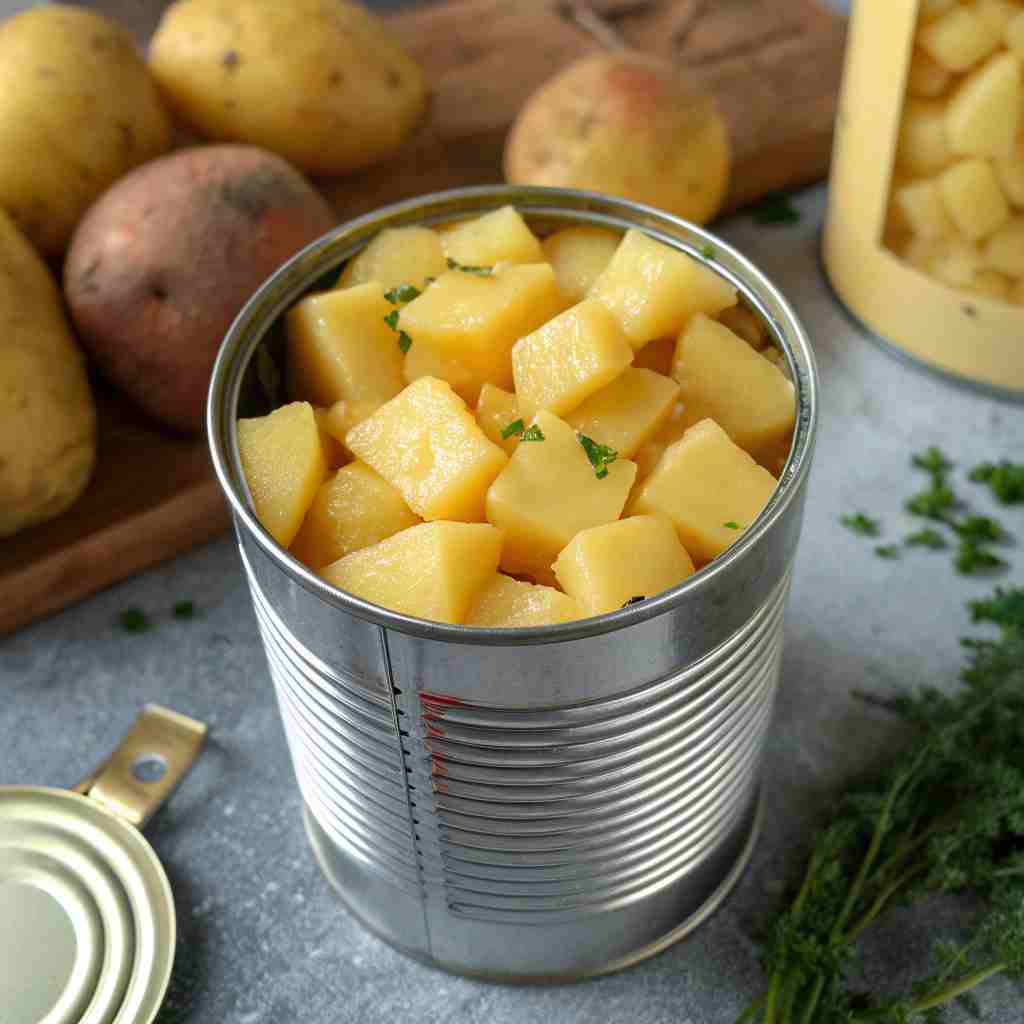
Looking for a convenient way to have potatoes ready for any meal? Canning diced potatoes is the perfect solution! This recipe provides shelf-stable, pre-cut potatoes that are ready to be used in soups, stews, skillet dishes, and so much more. Get ready to discover the ease and satisfaction of having a pantry stocked with ready-to-use potatoes!
Jump To :
What is Canning Diced Potatoes?
Canning diced potatoes is a method of preserving potatoes by heating them in sterilized jars to kill any microorganisms, creating a vacuum seal that prevents spoilage. This process allows you to store potatoes at room temperature for an extended period, typically up to a year or more. Unlike fresh potatoes, which can sprout or soften over time, canned diced potatoes remain perfectly portioned and ready for use.
They’re incredibly versatile, making them a fantastic addition to your emergency food supply or simply as a time-saving ingredient for everyday cooking.
Imagine the convenience of whipping up a quick potato soup or adding ready-to-go potatoes to a hearty stew without the hassle of peeling and chopping! Why not try this recipe out and enjoy the many benefits of having canned diced potatoes at your disposal?
Key Ingredients for Canning Diced Potatoes:
- Potatoes: 5 pounds, peeled and diced into ½-inch to ¾-inch cubes. Use a variety suitable for canning, such as Yukon Gold, Red potatoes, or Russet potatoes.
- Water: Enough to cover the potatoes in the jar and during blanching.
- Salt: 1 teaspoon per quart jar (optional, for flavor). Use canning or pickling salt.
- Citric Acid: 1/2 teaspoon per quart jar or 1/4 teaspoon per pint jar (required for safe acidity levels in water bath canning).
How to Make Canning Diced Potatoes:
Canning diced potatoes is easy and rewarding. This method offers a convenient way to save time on busy weeknights and reduces food waste. The preparation takes about 30 minutes, plus processing time in a water bath canner.
Step-by-Step Instructions:
Prepare the Potatoes: Wash the potatoes thoroughly. Peel and dice them into uniform ½-inch to ¾-inch cubes. Place the diced potatoes in a large bowl filled with cold water to prevent browning.
Blanch the Potatoes: Drain the potatoes and transfer them to a large pot. Cover with fresh water and bring to a boil. Boil for 2 minutes. This step helps to stop enzymatic action and preserves the color and texture of the potatoes.
Prepare Jars and Lids: While the potatoes are blanching, prepare your canning jars. Wash the jars, lids, and bands in hot, soapy water. Rinse well. Sanitize the jars by placing them in a boiling water bath canner with simmering water (180°F) until ready to fill. Keep the lids in a separate saucepan of hot, not boiling, water to soften the sealing compound.
Pack the Jars: Remove a sterilized jar from the canner. Pack the blanched, drained potatoes into the hot jars, leaving 1-inch headspace. Headspace is the space between the top of the food and the top of the jar.
Add Salt and Citric Acid: Add 1 teaspoon of canning salt (if using) and 1/2 teaspoon of citric acid to each quart jar, or half that amount to a pint jar. Using citric acid or bottled lemon juice is crucial for lowering the pH of the potatoes to a safe level for canning.
Add Water: Pour boiling water over the potatoes in the jars, maintaining the 1-inch headspace. Ensure that the potatoes are fully submerged in the water to prevent oxidation and spoilage.
Remove Air Bubbles: Use a non-metallic utensil, such as a plastic knife or bubble remover, to gently press down on the potatoes and release any trapped air bubbles. Run the utensil around the inside of the jar to dislodge any remaining bubbles.
Wipe Jar Rims: Clean the jar rims thoroughly with a damp cloth to ensure a good seal. Any food residue can prevent the lid from sealing properly.
Apply Lids and Bands: Place a clean, warmed lid on each jar. Screw on the bands fingertip-tight. Do not overtighten, as this can prevent the air from escaping during processing.
Process in a Water Bath Canner: Lower the filled jars into the boiling water bath canner. Ensure the water covers the jars by at least 1 inch. Bring the water to a rolling boil and process according to the following times, adjusted for altitude:
- Pint Jars: 35 minutes (0-1,000 feet), 40 minutes (1,001-3,000 feet), 45 minutes (3,001-6,000 feet), 50 minutes (above 6,000 feet)
- Quart Jars: 40 minutes (0-1,000 feet), 45 minutes (1,001-3,000 feet), 50 minutes (3,001-6,000 feet), 55 minutes (above 6,000 feet)
Cool and Check Seals: Turn off the heat and remove the canner lid. Let the jars sit in the hot water for 5 minutes before carefully removing them with a jar lifter. Place the jars on a towel-lined surface, spaced apart to allow for air circulation. Let the jars cool completely for 12-24 hours.
Check the seals: After cooling, check the seals by pressing down on the center of each lid. If the lid doesn’t flex or make a popping sound, it is properly sealed. If a jar didn’t seal, you can reprocess it with a new lid within 24 hours, or store it in the refrigerator and use it within a week.
Store: Remove the bands and wash the jars. Label each jar with the date and contents. Store the canned diced potatoes in a cool, dark, and dry place.
Why You’ll Love This Canning Diced Potatoes:
This canned diced potato recipe stands out for its convenience, cost-effectiveness, and flavor potential. The main highlight is undoubtedly the time saved during meal prep. Instead of peeling and dicing potatoes every time you need them, simply grab a jar from your pantry. Also, this home canning helps you save money. Buying potatoes in bulk during the harvest season and canning them yourself is significantly cheaper than constantly purchasing canned or pre-cut potatoes from the store.
Canned diced potatoes are incredibly versatile and can be used in countless dishes. The added salt and citric acid enhance their natural flavor, making them a delicious addition to soups, stews, salads, and more. This is much better than some commercially canned potatoes, that have a metallic taste.
If you enjoy canning and want to explore other potato-based recipes, consider trying canned sweet potatoes. They offer a similar level of convenience and can be used in various sweet and savory dishes. Give this canning diced potato recipe a try to experience its convenience and flavor, I think you will be surprised!
What to Serve Canning Diced Potatoes With:
Canned diced potatoes are an incredibly versatile ingredient that can be used in a variety of dishes. Here are some complementary dishes and serving ideas:
- Soups and Stews: Add them to hearty stews like beef stew or chicken stew for added body and flavor. They’re also great in potato soup, vegetable soup, or even a creamy chowder.
- Skillet Dishes: Sauté them with onions, peppers, and sausage for a flavorful skillet hash. Season with your favorite herbs and spices for a quick and easy meal.
- Salads: Toss them with vinaigrette, herbs, and other vegetables for a simple potato salad. They are also a great addition to a Nicoise-style salad.
- Breakfast Dishes: Fry them up with onions and serve them alongside eggs and bacon for a hearty breakfast.
Top Tips for Perfecting Canning Diced Potatoes:
- Choose the Right Potatoes: Opt for potato varieties that hold their shape well during canning, such as Yukon Gold, Red potatoes, or Russet potatoes. Avoid waxy potatoes as they can become mushy.
- Uniform Dicing: Cut the potatoes into uniform ½-inch to ¾-inch cubes to ensure even cooking and prevent some pieces from being overcooked while others are undercooked.
- Prevent Browning: Keep the diced potatoes submerged in cold water until blanching to prevent discoloration. A little lemon juice in the water can also help.
- Proper Headspace: Always maintain the recommended 1-inch headspace in the jars to allow for proper sealing. Insufficient headspace can cause the jars to seal improperly.
- Accurate Processing Time: Follow the recommended processing times based on your altitude to ensure that the potatoes are safely preserved. Adjustments are necessary for higher altitudes.
- Test the Seal: After processing, always check the seals of the jars to ensure they are properly sealed. A properly sealed jar will have a slightly concave lid that does not flex when pressed.
5 Facts About Canning Diced Potatoes
- Canning diced potatoes extends their shelf life significantly, making them available for use long after fresh potatoes would have spoiled.
- Home-canned potatoes are free of artificial additives and preservatives commonly found in commercially canned products.
- Canning potatoes at home allows for complete control over ingredients, including the addition of salt, herbs, and spices to suit individual tastes.
- Improperly canned potatoes can pose a risk of botulism, a serious foodborne illness, so strict adherence to tested canning procedures is essential.
- Canned diced potatoes retain much of their nutritional value, providing a good source of carbohydrates, vitamins, and minerals.
Storing and Reheating Tips:
Storing: Once the canned diced potatoes are cooled and the seals have been checked, remove the bands (you can wash and reuse these), label each jar with the date and contents, and store them in a cool, dark, and dry place, such as a pantry or cellar. Properly canned potatoes can last for a year or longer.
Reheating:
- Once opened, canned diced potatoes behave similarly to cooked fresh potatoes. Refrigerate any unused portion in an airtight container and use within 3-4 days.
- To reheat, drain the potatoes and use them in your desired recipe. They can be sautéed, added to soups or stews, or used in salads. They are already cooked, so they only need to be heated through.
- Freezing canned diced potatoes is not recommended, as they will become mushy and lose their texture.
Final Thoughts:
Canning diced potatoes is a great way to save time and ensure you always have a convenient ingredient on hand for quick and easy meals. With careful adherence to safety guidelines and proper canning techniques, you can enjoy delicious, shelf-stable potatoes whenever you need them. This process is not only cost-effective but also provides a sense of accomplishment, knowing you’ve created something valuable for your family’s meals.
Read More also:
- Canning Pickled Jalapeños
- Canning Pickled Asparagus
- Canning Pickled Carrots
- Canning Hot Pepper Jelly
- Canning Mushroom Soup
- Canning Apricot Jam Recipe
- Canning Fig Jam Recipe
- Canning Plum Jam
- Our Pinterest
Canning Diced Potatoes FAQs:
Q: Do I have to peel the potatoes before canning them?
A: Yes, peeling the potatoes is recommended to ensure the best quality and safety. The peels can harbor bacteria, and removing them reduces the risk of spoilage.
Q: Can I use different types of potatoes for canning?
A: Yes, you can use different types of potatoes for canning, but some varieties hold their shape better than others. Yukon Gold, Red potatoes, and Russet potatoes are good choices. Avoid waxy potatoes as they tend to become mushy.
Q: Why is citric acid or bottled lemon juice necessary?
A: Citric acid or bottled lemon juice is essential to lower the pH of the potatoes to a safe level for canning. Potatoes are a low-acid food, and adding an acidulant ensures that botulism spores cannot grow during storage.
Q: Can I add herbs and spices to the jars before canning?
A: While you can add some herbs and spices, it’s best to keep it simple. Adding too many ingredients can affect the safety and shelf life of the canned potatoes. A little salt is generally fine, but it’s recommended to add other seasonings when you use the potatoes in a recipe.
Q: How do I know if the jars are properly sealed?
A: After cooling, check the seals by pressing down on the center of each lid. If the lid doesn’t flex or make a popping sound, it is properly sealed. If a jar didn’t seal, you can reprocess it with a new lid within 24 hours, or store it in the refrigerator and use it within a week.
Q: Can I skip the blanching step?
A: No, the blanching step is crucial for preserving the color and texture of the potatoes. Blanching helps stop enzymatic action that can lead to discoloration and softening of the potatoes during storage. Don’t skip it.