
The Best Packaged Snacks for ADHD Kids can be a lifesaver for busy parents seeking convenient, nutritious, and appealing options. This guide focuses on smart choices that fuel concentration and minimize meltdowns, transforming snack time from a challenge into a simple, win-win situation.
Key Ingredients for Smart Snacking Choices
While there isn’t a single “recipe” in the traditional sense for packaged snacks, we’re focusing on the components that make up the best choices. Think of these as categories to look for on grocery store aisles:
- Whole Grains: Look for snacks where the first ingredient is whole wheat flour, oats, or brown rice. Examples include whole-grain crackers, rice cakes, and certain granola bars (check sugar content!).
- Protein Sources: Essential for sustained energy and focus. This can come from nuts (if no allergies), seeds, cheese, Greek yogurt, or even jerky (low-sodium options).
- Healthy Fats: Crucial for brain health. Avocados, nuts, seeds, and olive oil-based products are excellent.
- Fruits and Vegetables: While fresh is always best, there are some great packaged options. Look for freeze-dried fruits (no added sugar), fruit snacks with real fruit as the primary ingredient, or vegetable crisps (baked, not fried).
- Limited Added Sugars: This is a big one! Aggressively scan nutrition labels for sugars, especially those with names ending in “-ose.” Aim for snacks with minimal added sugar.
- Fiber: Aids digestion and promotes fullness. Found in whole grains, fruits, and vegetables.
- Minimal Artificial Ingredients: Try to avoid artificial colors, flavors, and preservatives.
How to Select the Best Packaged Snacks for ADHD Kids
Navigating the snack aisle can feel overwhelming, but with a few key strategies, you can easily identify delicious and beneficial options. This approach prioritizes nutrient density and minimizes common pitfalls like excessive sugar and artificial additives, making snack time a positive experience for everyone. The focus is on simple, readily available choices that can be grabbed and enjoyed with minimal fuss.
Step-by-Step Selection Guide:
- Prioritize the Ingredient List: Turn the package over and look at the ingredient list. Aim for the shortest list possible, and ensure that whole grains (like whole wheat, oats, or brown rice) or fruits/vegetables appear at the very beginning.
- Scan for Protein and Healthy Fats: Next, look for ingredients that provide protein and healthy fats. This could be nuts, seeds, cheese, or even a good quality, low-sugar nut butter. These help with satiety and sustained energy release.
- Quantify Sugar Content: Pay close attention to the “Sugars” line on the nutrition facts panel. Differentiate between naturally occurring sugars (from fruit or dairy) and added sugars. Aim for snacks with very low added sugar. A good rule of thumb is less than 5 grams of added sugar per serving.
- Beware of “Healthy” Marketing: Be wary of packaging that uses terms like “all-natural” or “healthy” without strong evidence on the ingredient list. Often, these are marketing tactics. Always check the ingredients and nutrition facts yourself.
- Consider Fiber: A good source of fiber is a bonus! This helps with digestion and keeps little ones feeling full longer. Look for snacks that list whole grains, fruits, or vegetables that contribute to fiber content.
- Check for Artificial Additives: Try to select snacks that avoid artificial colors, flavors, and preservatives. These can sometimes exacerbate hyperactivity in sensitive children.
- Portion Control: Even healthy snacks can be over-consumed. Look for individually portioned snacks or be mindful of serving sizes to prevent overeating. Smart pre-portioning is a key strategy for managing intake.
Why You’ll Love These Smart Snack Choices
You’ll love the peace of mind that comes with offering your child snacks that actually nourish and support their focus, rather than contribute to energy crashes. These are snacks with substance, designed to keep little minds sharp and bodies energized throughout the day, unlike sugary cereal bars that offer a quick burst followed by a slump. The cost-saving benefit of being a savvy shopper, opting for nutrient-dense whole-food ingredients represented in packaged form, means you get more bang for your buck too. Imagine the satisfaction of watching your child happily munch on a wholesome snack, knowing it’s contributing positively to their well-being, rather than leaving you with a tantrum-prone kiddo ten minutes later. Dive into the world of smart snacking and discover joy in every bite!
The joy of these selections extends beyond just nutrition; they’re about empowering parents with reliable, kid-approved alternatives. Think of the delightful crunch of whole-grain crackers paired with a smear of natural nut butter, or the satisfying chew of freeze-dried apple slices with no added sugar. These simple yet effective choices are a far cry from the often-processed, sugar-laden options that flood the market, making them a truly beneficial alternative for ADHD children. So, why wait? Start stocking your pantry with these essentials and experience the difference yourself!
Storing and Reheating Tips for Packaged Snacks
Proper storage is key to maintaining the quality and freshness of your chosen packaged snacks.
- General Storage: Most packaged snacks should be stored in a cool, dry place, away from direct sunlight. This helps prevent spoilage and maintains crispness.
- Refrigerator Storage: Some items, like cheese sticks, yogurt pouches, or certain fruit cups with natural preservatives, require refrigeration. Always check the packaging for specific storage instructions. Once opened, they typically last 3-5 days if refrigerated.
- Freezer Storage: While not common for most shelf-stable packaged snacks, some items like frozen fruit pouches or certain homemade baked goods that are packaged for convenience can be frozen.
- For Frozen Fruit Pouches: Store them in the freezer until ready to serve. They can act as a refreshing, portable treat that thaws in about 30-60 minutes at room temperature or can be consumed frozen for a longer-lasting snack.
- For Baked Goods (if applicable): If you bake mini muffins or bars and freeze them, wrap them individually in plastic wrap or place them in freezer-safe bags. Thaw overnight in the refrigerator or for a few hours at room temperature.
- Airtight Containers: Once a package is opened, especially for crackers, pretzels, or popcorn, transfer any remaining contents to an airtight container or resealable bag to maintain freshness and prevent staleness.
Final Thoughts
Choosing the best packaged snacks for ADHD kids is about informed decisions that benefit their focus and well-being. Empower yourself with these simple, yet effective, selection strategies and make snack time a healthy and happy part of your child’s day.
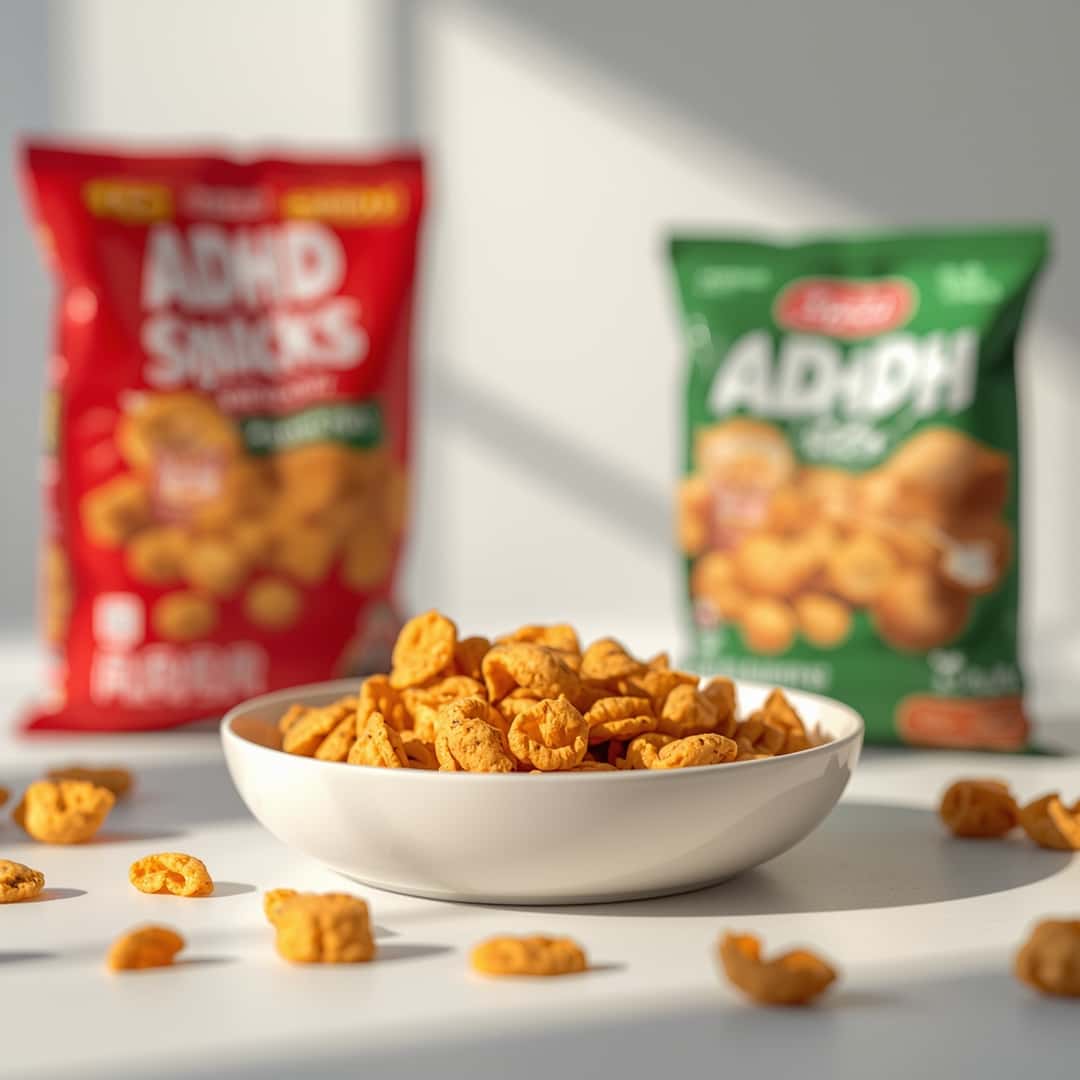
Best Packaged Snacks for ADHD Kids
Ingredients
Method
- Prioritize the ingredient list: Turn the package over and look at the ingredient list. Aim for the shortest list possible, and ensure that whole grains (like whole wheat, oats, or brown rice) or fruits/vegetables appear at the very beginning.
- Scan for protein and healthy fats: Next, look for ingredients that provide protein and healthy fats. This could be nuts, seeds, cheese, or even a good quality, low-sugar nut butter. These help with satiety and sustained energy release.
- Quantify sugar content: Pay close attention to the “Sugars” line on the nutrition facts panel. Differentiate between naturally occurring sugars (from fruit or dairy) and added sugars. Aim for snacks with very low added sugar. A good rule of thumb is less than 5 grams of added sugar per serving.
- Beware of “Healthy” Marketing: Be wary of packaging that uses terms like “all-natural” or “healthy” without strong evidence on the ingredient list. Often, these are marketing tactics. Always check the ingredients and nutrition facts yourself.
- Consider Fiber: A good source of fiber is a bonus! This helps with digestion and keeps little ones feeling full longer. Look for snacks that list whole grains, fruits, or vegetables that contribute to fiber content.
- Check for Artificial Additives: Try to select snacks that avoid artificial colors, flavors, and preservatives. These can sometimes exacerbate hyperactivity in sensitive children.
- Portion Control: Even healthy snacks can be over-consumed. Look for individually portioned snacks or be mindful of serving sizes to prevent overeating. Smart pre-portioning is a key strategy for managing intake.