
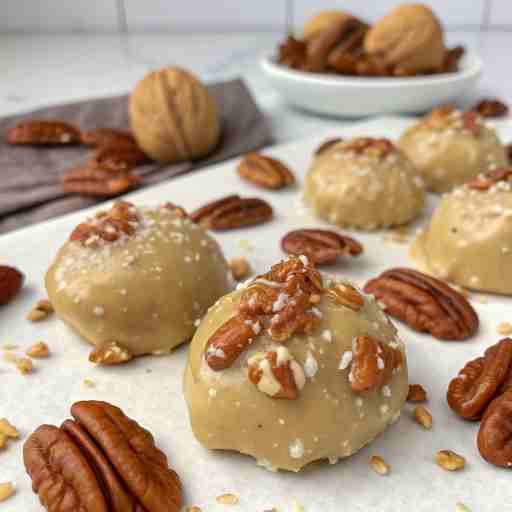
Today, we’re diving into the delightful world of Vanilla Pecan Pralines, a classic Southern candy recipe that embodies the sweet charm and hospitality of the South. If you’re searching for a melt-in-your-mouth confection that’s rich, buttery, and packed with nutty goodness, then you’ve come to the right place. This recipe is your ticket to crafting these iconic treats right in your own kitchen, delivering that authentic, sugary crunch and creamy texture that makes pralines so irresistible. Perfect for gifting, entertaining, or simply indulging your sweet tooth, these pralines are a true taste of Southern comfort.
Key Ingredients for Vanilla Pecan Pralines
To embark on your Vanilla Pecan Pralines journey, gather these essential ingredients. Quality ingredients are key to achieving that perfect Southern flavor and texture.
- 2 cups granulated sugar: The foundation of our sweet treat, providing the primary sweetness and structure.
- 1 cup packed light brown sugar: Adds a deeper molasses flavor and contributes to the praline’s characteristic chewiness.
- ½ cup (1 stick) unsalted butter: Crucial for richness, flavor, and that irresistible, buttery mouthfeel. Cut into 8 tablespoons for easier melting.
- ½ cup evaporated milk: Provides creaminess and helps prevent crystallization, resulting in a smoother praline.
- 2 teaspoons pure vanilla extract: The star flavor! Use good quality vanilla for the best aroma and taste.
- 2 cups pecan halves: The essential nutty crunch that defines a praline. Lightly toasted pecans can enhance their flavor, but it’s optional.
- ½ teaspoon salt: A small but mighty ingredient that balances the sweetness and enhances all the other flavors.
How to Make Vanilla Pecan Pralines
Crafting these Vanilla Pecan Pralines is a surprisingly easy and incredibly rewarding experience, resulting in a rich, delicious, and satisfying Southern treat. This recipe shines with its simplicity, transforming a few humble ingredients into a luxurious candy. The buttery, vanilla-infused caramel cradling crunchy pecans creates a truly special confection. With a hands-on time of just about 20-25 minutes (plus cooling), you’ll be enjoying these delights in no time.
Step-by-Step Instructions:
Prepare Your Workspace: Line two baking sheets with parchment paper or silicone baking mats. Have a spoon or small ladle ready for dropping the pralines. Ensure you have all your ingredients measured and ready to go, as the process moves quickly once cooking begins.
Combine Wet Ingredients: In a heavy-bottomed 4-quart saucepan or Dutch oven, combine the granulated sugar, light brown sugar, unsalted butter, evaporated milk, and salt.
Bring to a Boil: Place the saucepan over medium heat. Stir constantly with a wooden spoon or heat-resistant spatula, dissolving the sugars and melting the butter completely. Once melted and combined, bring the mixture to a full rolling boil. Continue to cook, stirring occasionally, to prevent scorching.
Reach Soft Ball Stage: Attach a candy thermometer to the side of the pan, ensuring the tip does not touch the bottom. Continue to cook the mixture, without stirring, until the thermometer reaches 235-240°F (113-116°C), which is known as the “soft ball” stage. This can take anywhere from 10-15 minutes, depending on your stovetop and pan. If you don’t have a thermometer, drop a small amount of the hot mixture into a cup of cold water; it should form a soft, pliable ball.
Remove from Heat & Add Flavor: Once the mixture reaches the desired temperature, immediately remove the saucepan from the heat. Carefully stir in the pure vanilla extract and the pecan halves.
Beat to Crystallization: This is a crucial step! Allow the mixture to cool for about 1-2 minutes without stirring. Then, using your wooden spoon or spatula, begin to stir the mixture vigorously. The goal is to beat the mixture until it thickens, loses its glossy sheen, and becomes opaque and slightly granular. You’ll notice it changing from a shiny liquid to a thick, fudge-like consistency. This process usually takes about 3-5 minutes of continuous stirring. It’s important not to rush this step; the vigorous stirring creates the characteristic creamy texture and prevents the pralines from becoming too hard or grainy.
Drop Pralines: Working quickly, as the mixture will continue to set, drop spoonfuls (about 2 tablespoons each) of the praline mixture onto the prepared baking sheets. Form round or oval shapes, leaving some space between each praline.
Cool and Set: Allow the pralines to cool completely at room temperature for at least 30-60 minutes, or until they are firm to the touch. Once cooled and set, they will be firm and easy to handle.
Serve and Enjoy: Once firm, carefully peel the Vanilla Pecan Pralines from the parchment paper. Serve immediately or store them for later enjoyment.
Why You’ll Love This Vanilla Pecan Pralines Recipe
You are going to absolutely adore this Vanilla Pecan Pralines recipe for so many reasons! The main highlight is undoubtedly its rich, buttery, and irresistibly creamy texture, perfectly offset by the delightful crunch of toasted pecans. Forget those expensive candy shop splurges; making pralines at home is incredibly cost-effective, allowing you to produce a generous batch of these gourmet treats for a fraction of the price.
The pure vanilla extract infuses every bite with a warm, aromatic sweetness, while the subtle salt perfectly balances the rich sugars, making them utterly addictive. If you enjoy the depth of flavor in a classic fudge, you’ll find a similar satisfaction here, but with a unique Southern twist. Don’t just dream of Southern charm; take a delicious step, make these magnificent pralines, and taste the magic yourself!
What to Serve Vanilla Pecan Pralines With
Vanilla Pecan Pralines are a delightful standalone treat, but they can also be a wonderful accompaniment to various beverages or desserts.
- Coffee or Tea: Pair them with a hot cup of coffee, a creamy latte, or a robust black tea for a delightful afternoon pick-me-up.
- Ice Cream: Crumble a praline over a scoop of vanilla bean, butter pecan, or coffee-flavored ice cream for an elevated dessert.
- Dessert Platter: Include them on a dessert platter alongside other Southern favorites like shortbread cookies, chess pie, or a fruit tart.
- As a Garnish: Use a small piece of praline to garnish a slice of cheesecake or a rich chocolate cake.
- Milk: For a simple, comforting pleasure, enjoy them with a tall glass of cold milk.
Top Tips for Perfecting Vanilla Pecan Pralines
Achieving perfect Vanilla Pecan Pralines consistently requires a few key insights. These tips will help you master the process, whether you’re a novice or an experienced candy maker.
- Candy Thermometer is Your Best Friend: While a cold water test works, a reliable candy thermometer is invaluable for precision. It prevents guesswork and ensures you hit the exact temperature for the “soft ball” stage (235-240°F / 113-116°C), which is crucial for the correct texture. Overcooking leads to hard, brittle pralines, while undercooking results in a sticky, unset mess.
- Don’t Over-Stir (Initially): When the mixture is cooking to temperature, avoid constant stirring after the sugars have dissolved. Excessive stirring can encourage sugar crystallization on the sides of the pan, leading to grainy pralines. A gentle stir occasionally is fine, but largely let it simmer undisturbed.
- The Power of Vigorous Stirring (Later): Once removed from the heat and vanilla and pecans are added, the vigorous beating is absolutely critical. This stirring encourages the sugar crystals to form small, uniform crystals, which gives pralines their characteristic creamy, slightly granular texture. If you don’t beat it enough, they’ll be too glassy and hard. If you beat too much, they can become crumbly. Look for the mixture to thicken and lose its shine.
- Work Quickly: Once the beating stage begins, the mixture sets rapidly. Have your baking sheets lined and ready to go, and drop the pralines onto the parchment paper as swiftly as possible to avoid a hardened block in your pot.
- Parchment Paper or Silicone Mats: Do not try to drop pralines directly onto foil or an unlined sheet. They will stick. Parchment paper or silicone baking mats are non-negotiable for easy removal.
- Humidity Matters: Pralines, like many candies, can be sensitive to humidity. On very humid days, they might take longer to set or remain slightly sticky. If possible, choose a dry day to make them for the best results.
- Toasted Pecans (Optional but Recommended): Lightly toasting your pecans before adding them enhances their flavor and adds a deeper nutty aroma to your pralines. Simply spread them on a baking sheet and toast in a 350°F (175°C) oven for 5-7 minutes, watching carefully to prevent burning.
- Cleanliness is Key: Ensure your saucepan and utensils are clean. Any sugar crystals present can act as “seeds” and cause premature crystallization, leading to grainy pralines.
Storing and Reheating Tips
Proper storage is key to maintaining the delicious texture and freshness of your Vanilla Pecan Pralines.
- Storage at Room Temperature: Once completely cooled and firm, Vanilla Pecan Pralines should be stored in an airtight container at room temperature. Layer them with parchment paper between layers to prevent sticking. They will stay fresh and delicious for up to 1-2 weeks. Avoid refrigerating pralines, as the moisture can make them sticky and affect their texture.
- Freezing for Longer Storage: If you wish to store them for a longer period, pralines can be frozen. Wrap individual pralines tightly in plastic wrap, then place them in an airtight, freezer-safe container or freezer bag. They can be frozen for up to 2-3 months.
- Thawing Frozen Pralines: To thaw, simply remove the desired number of pralines from the freezer and let them come to room temperature while still wrapped, which helps prevent condensation. This usually takes about 30-60 minutes. Do not try to reheat them from frozen, as this will alter their texture.
- Reheating (Not Recommended): Pralines are best enjoyed at room temperature. Reheating them, especially in a microwave, can cause them to melt, become overly sticky, or change their delicate texture. If they seem a bit hard, simply let them sit at room temperature for a while to soften slightly.
Final Thoughts:
The journey of creating Vanilla Pecan Pralines is more than just making a candy; it’s an embrace of Southern culinary tradition, a simple act that yields immense satisfaction. From the gentle simmer of sugar and butter to the vigorous beating that transforms liquid into luscious, creamy morsels, each step is a testament to the magic of home cooking. These aren’t just sweets; they’re tiny expressions of comfort, perfect for sharing a slice of Southern charm with anyone who craves true, unadulterated flavor.
try also :
- Air Fryer Sweet Potatoes
- Crockpot Beef Fajitas
- Ground Turkey Sweet Potato Bake
- Cheesy Pumpkin Stuffed Pretzel Bites
- Find more in Pinterest
- Medium
Vanilla Pecan Pralines FAQs:
Q1: Why did my pralines turn out grainy?
A1: Grainy pralines typically result from sugar crystallization. This can happen if you stirred too much while the mixture was boiling, if sugar crystals were left on the sides of the pan and fell back in, or if the mixture wasn’t beaten vigorously enough after removing it from the heat. A clean pan and careful stirring (or lack thereof) during the boil, followed by thorough beating at the end, are key.
Q2: My pralines didn’t set, and they’re still sticky. What went wrong?
A2: This usually indicates the sugar mixture didn’t reach the correct temperature. Ensure you cooked the candy to the “soft ball” stage (235-240°F / 113-116°C) as measured by a candy thermometer. Humidity can also play a role; on very humid days, candies like pralines might struggle to set properly.
Q3: Can I use whole milk instead of evaporated milk?
A3: While some recipes use whole milk, evaporated milk is highly recommended for pralines. It has a lower water content and a richer, slightly caramelized flavor due to the evaporation process, which contributes to a creamier texture and helps prevent crystallization better than regular milk.
Q4: Can I add other nuts instead of pecans?
A4: You can! While pecans are traditional for Southern pralines, you could experiment with walnuts or even almonds for a different flavor profile. Just make sure they are roughly chopped and, if desired, lightly toasted.
Q5: How do I clean the sticky saucepan after making pralines?
A5: The easiest way to clean a saucepan with hardened sugar residue is to fill it with water and bring it to a boil. The boiling water will dissolve the sugar, making it much easier to wash.