
Key Ingredients for Reheat Prime Rib
- 1-2 pounds of cooked prime rib roast
- 1 tablespoon olive oil or rendered beef fat
- 1/4 cup beef broth or water
- Salt and freshly ground black pepper, to taste
- Optional: Fresh herbs like rosemary or thyme, for aromatic enhancement
How to Make Reheat Prime Rib
Discover the secret to reviving your leftover prime rib, transforming it into a succulent and flavorful meal with this easy reheat prime rib method. This process takes just minutes, ensuring tender, juicy slices without drying out your precious roast. With minimal effort, you’ll enjoy a satisfying dish that tastes as good as (or even better than!) the first time. Estimated preparation time: 15-20 minutes.
Step-by-Step Instructions
Preparation is Key:
- Slice your Prime Rib: Begin by slicing your leftover prime rib into desired thickness. For optimal reheating, aim for slices that are about ½ to ¾ inch thick. If your prime rib is already sliced, you can proceed to the next step. If it’s a larger roast, slicing it now will ensure even heating.
- Preheat your Pan: Select a heavy-bottomed skillet, such as cast iron or stainless steel, that can accommodate all your prime rib slices comfortably in a single layer. Place the skillet over medium heat.
- Add Fat: Once the skillet is warm, add the olive oil or rendered prime rib fat. Allow it to heat up slightly until it shimmers, but not so much that it begins to smoke. This fat will help create a beautiful sear and add moisture.
The Reheating Process:
- Sear the Prime Rib: Carefully place the prime rib slices into the preheated skillet. Avoid overcrowding the pan, as this will steam the meat instead of searing it efficiently. Work in batches if necessary.
- Cook Each Side: Let the first side of the prime rib sear undisturbed for about 2 to 3 minutes, or until a nice golden-brown crust forms. This searing process is crucial for locking in juices and developing flavor.
- Flip and Sear Again: Using tongs, carefully flip each slice of prime rib to sear the other side for another 2 to 3 minutes. Continue to monitor the heat, adjusting it down if the slices are browning too quickly.
- Add Liquid and Aromatics: Once both sides have a good sear, it’s time to create a little steam to ensure tenderness. Pour the beef broth or water into the skillet. If you’re using fresh herbs like sprigs of rosemary or thyme, add them to the pan now – they will release their wonderful aromas as they heat.
- Baste and Finish: Gently swirl the pan to distribute the liquid around the prime rib. Allow the slices to simmer in the liquid for an additional 1 to 2 minutes, basting them occasionally with the pan juices using a spoon. This step adds moisture back into the meat and infuses it with the herb flavors.
- Check for Doneness: The goal is to heat the prime rib through without overcooking it. You’re looking for the meat to be warm and tender. If you have a meat thermometer, the internal temperature should ideally be around 130-135°F (54-57°C) for medium-rare.
- Rest and Serve: Remove the prime rib slices from the skillet and place them on a clean plate. Let them rest for a minute or two before serving. This brief resting period allows the juices to redistribute, ensuring maximum tenderness and flavor. Season with salt and freshly ground black pepper to taste just before serving.
Why You’ll Love This Reheat Prime Rib
You’ll absolutely adore this reheat prime rib method because it brings your leftover roast back to life with incredible tenderness and flavor, making it feel like a brand-new dish. It’s a fantastic way to save money by extending the enjoyment of your expensive prime rib, transforming what could be a forgotten leftover into a gourmet experience without the cost of a new cut.
The simple addition of a quick sear and a touch of liquid elevates the meat, reminiscent of a perfectly cooked steak but with the rich, classic taste of prime rib, and it’s so much more satisfying than simply nuking it in the microwave. Forget dry, disappointing leftovers; try this simple, delicious method today and rediscover the magic of your prime rib!
Storing and Reheating Tips
Properly storing and reheating your prime rib is essential to enjoying it to its fullest. Once your prime rib has cooled to room temperature after its initial cooking, wrap it tightly in plastic wrap or place it in an airtight container. Store it in the refrigerator for up to 3-4 days. For longer storage, you can freeze individual portions or the entire roast. Wrap the cooled prime rib tightly in plastic wrap, then in aluminum foil, or place it in a heavy-duty freezer bag, removing as much air as possible. Frozen prime rib will maintain its best quality for 2-3 months.
When you’re ready to reheat, the method described above is ideal for single servings or smaller portions. For larger amounts, you can follow the same principles by preheating your oven to a low temperature, around 250°F (120°C), and placing the prime rib in an oven-safe dish with a small amount of beef broth or water. Cover the dish tightly with foil. Reheat gently until the meat is warmed through, being careful not to overcook it. This typically takes about 15-20 minutes per pound, depending on the thickness of the roast. Always check the internal temperature to ensure it reaches a food-safe temperature, ideally around 130-135°F (54-57°C) for that perfect medium-rare finish.
Final Thoughts
Mastering the art of reheat prime rib means you can savor that luxurious meal for longer, without compromising on taste or texture. This simple yet effective method ensures your leftovers are a delight, not a disappointment. Give it a try and unlock the full potential of your delicious prime rib!
try also :
- Air Fryer Sweet Potatoes
- Crockpot Beef Fajitas
- Ground Turkey Sweet Potato Bake
- Cheesy Pumpkin Stuffed Pretzel Bites
- Find more in Pinterest
- Medium
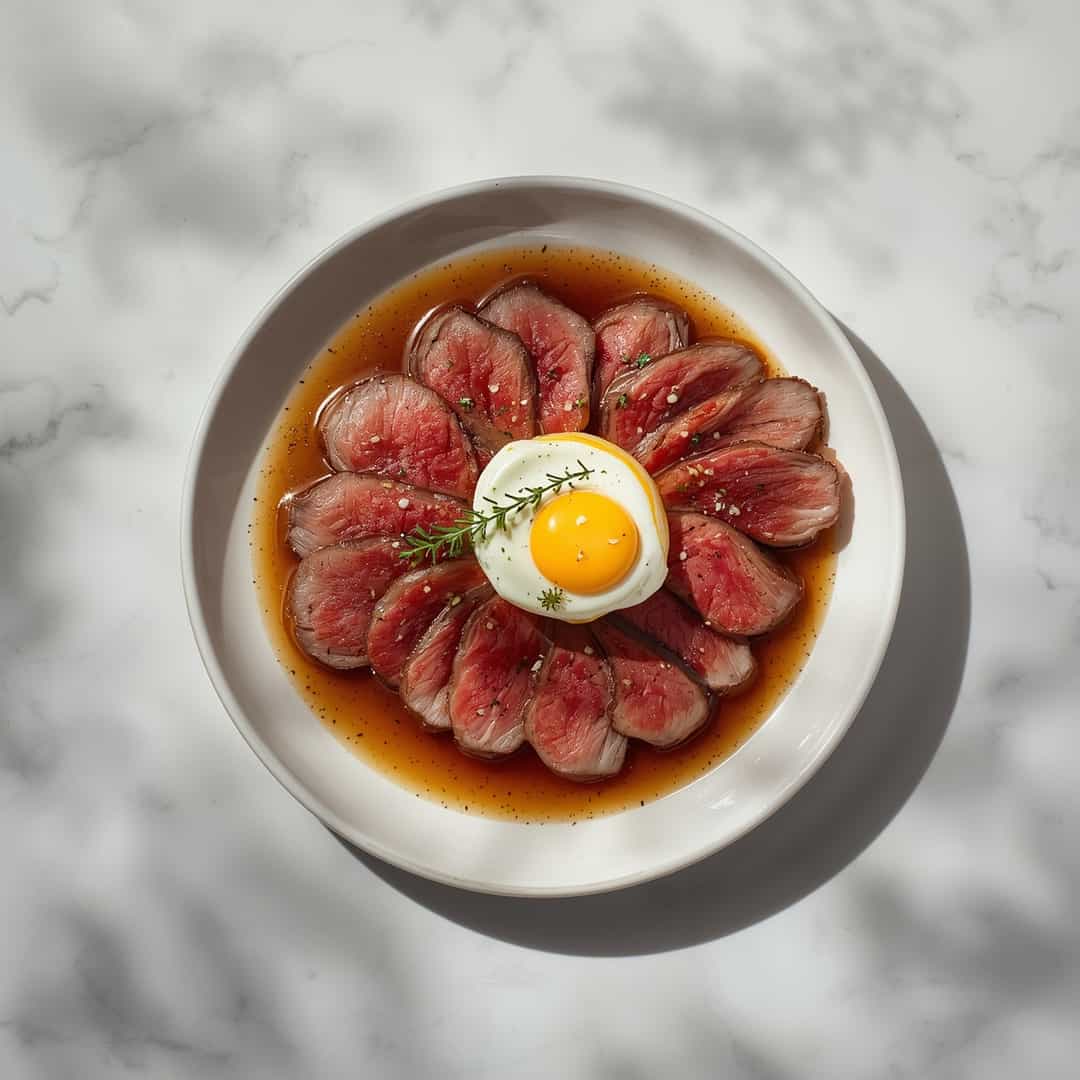
Reheat Prime Rib
Ingredients
Equipment
Method
- Begin by slicing your leftover prime rib into desired thickness. For optimal reheating, aim for slices that are about ½ to ¾ inch thick. If your prime rib is already sliced, you can proceed to the next step. If it’s a larger roast, slicing it now will ensure even heating.1-2 pounds cooked prime rib roast
- Select a heavy-bottomed skillet, such as cast iron or stainless steel, that can accommodate all your prime rib slices comfortably in a single layer. Place the skillet over medium heat.
- Once the skillet is warm, add the olive oil or rendered prime rib fat. Allow it to heat up slightly until it shimmers, but not so much that it begins to smoke. This fat will help create a beautiful sear and add moisture.1 tablespoon olive oil or rendered beef fat, 1-2 pounds cooked prime rib roast
- Carefully place the prime rib slices into the preheated skillet. Avoid overcrowding the pan, as this will steam the meat instead of searing it efficiently. Work in batches if necessary.1-2 pounds cooked prime rib roast
- Let the first side of the prime rib sear undisturbed for about 2 to 3 minutes, or until a nice golden-brown crust forms. This searing process is crucial for locking in juices and developing flavor.1-2 pounds cooked prime rib roast
- Using tongs, carefully flip each slice of prime rib to sear the other side for another 2 to 3 minutes. Continue to monitor the heat, adjusting it down if the slices are browning too quickly.1-2 pounds cooked prime rib roast
- Once both sides have a good sear, it’s time to create a little steam to ensure tenderness. Pour the beef broth or water into the skillet. If you’re using fresh herbs like sprigs of rosemary or thyme, add them to the pan now – they will release their wonderful aromas as they heat.1/4 cup beef broth or water, fresh herbs like rosemary or thyme
- Gently swirl the pan to distribute the liquid around the prime rib. Allow the slices to simmer in the liquid for an additional 1 to 2 minutes, basting them occasionally with the pan juices using a spoon. This step adds moisture back into the meat and infuses it with the herb flavors.1-2 pounds cooked prime rib roast, 1/4 cup beef broth or water, fresh herbs like rosemary or thyme
- The goal is to heat the prime rib through without overcooking it. You’re looking for the meat to be warm and tender. If you have a meat thermometer, the internal temperature should ideally be around 130-135°F (54-57°C) for medium-rare.1-2 pounds cooked prime rib roast
- Remove the prime rib slices from the skillet and place them on a clean plate. Let them rest for a minute or two before serving. This brief resting period allows the juices to redistribute, ensuring maximum tenderness and flavor. Season with salt and freshly ground black pepper to taste just before serving.1-2 pounds cooked prime rib roast, salt and freshly ground black pepper