
This Easiest Boneless Prime Rib recipe is your gateway to a restaurant-quality roast dinner without the fuss. We’re demystifying prime rib to make it achievable for any home cook, delivering incredible flavor and a perfectly tender result every time.
Key Ingredients for the Easiest Boneless Prime Rib
- 1 (3-4 pound) boneless prime rib roast, tied (if not already)
- 2 tablespoons olive oil
- 2 tablespoons unsalted butter, softened
- 1 tablespoon fresh rosemary, finely chopped
- 1 tablespoon fresh thyme, finely chopped
- 3 cloves garlic, minced
- 1 teaspoon kosher salt
- ½ teaspoon freshly ground black pepper
- Optional: Beef broth or red wine for pan juices
How to Make the Easiest Boneless Prime Rib
Get ready for a simply stunning roast! This Easiest Boneless Prime Rib recipe promises a juicy, tender, and incredibly flavorful experience with minimal effort. Prepare to impress without breaking a sweat. With just a few simple steps and under an hour of active prep and cooking, you can achieve a centerpiece meal that rivals any steakhouse. The key lies in perfect seasoning and a straightforward roasting technique that guarantees a mouthwatering result.
Step-by-Step Instructions
Preheat and Prepare your Roast: Begin by preheating your oven to a high temperature of 450°F (230°C). This initial high heat is crucial for searing the outside of the prime rib, creating a delicious crust. Take your boneless prime rib roast out of the refrigerator at least 1 to 2 hours before you plan to start cooking. Allowing the roast to come to room temperature is a vital step that ensures even cooking throughout. If your roast isn’t already tied, loosely tie it at intervals of about 1 inch with kitchen twine. This helps the roast maintain its shape and promotes more consistent cooking. Pat the entire surface of the prime rib dry with paper towels. This is another essential step for achieving a beautiful, crispy crust. Moisture on the surface will steam the meat instead of searing it.
Create the Herb Butter Rub: In a small bowl, combine the softened unsalted butter, minced garlic, chopped fresh rosemary, chopped fresh thyme, kosher salt, and freshly ground black pepper. Mix these ingredients thoroughly until they form a well-combined paste. This aromatic herb butter rub is what infuses your prime rib with incredible flavor and contributes to that delightful crust.
Apply the Rub: Gently but firmly spread the herb butter mixture all over the exterior of the prime rib roast. Ensure that every surface is evenly coated with this delicious blend. Get into all the nooks and crannies. The fat from the butter will melt and baste the meat as it cooks, while the herbs and garlic will crisp up beautifully.
Sear and Roast: Place the seasoned prime rib roast, fat-side up, in a sturdy roasting pan. If you’re looking to collect delicious pan juices for a sauce, you can add about ½ cup of beef broth or red wine to the bottom of the pan at this stage. Alternatively, you can wait to deglaze the pan after the roast is done.
High Heat Searing (Initial Cook): Transfer the roasting pan to the preheated 450°F (230°C) oven. Roast for 15 minutes. This high-heat blast sears the exterior of the roast, locking in juices and developing that coveted brown crust.
Lower Heat Roasting (Main Cook): After the initial 15 minutes, reduce the oven temperature to a lower setting of 325°F (160°C). Continue roasting. The cooking time will vary depending on the size of your roast and your desired level of doneness. A general guideline is approximately 12-15 minutes per pound for medium-rare.
Monitor Temperature for Doneness: For accurate results, use an instant-read meat thermometer. Insert the thermometer into the thickest part of the roast, avoiding any bones or large pockets of fat.
- For rare, aim for an internal temperature of 120-125°F (49-52°C).
- For medium-rare, aim for 130-135°F (54-57°C). This is often considered the ideal temperature for prime rib, providing a pink center and maximum tenderness.
- For medium, aim for 135-140°F (57-60°C).
- For medium-well, aim for 145-150°F (63-66°C). (Note: Cooking prime rib to well-done is generally not recommended as it can result in a dry and less tender roast).
Resting is Key: Once your prime rib reaches your desired internal temperature, carefully remove the roasting pan from the oven. Transfer the roast to a clean cutting board. Tent it loosely with aluminum foil and let it rest for at least 15-20 minutes. This resting period is absolutely critical. It allows the juices to redistribute throughout the meat, resulting in a more tender and moist roast. If you skip this step, the juices will run out onto the cutting board, leaving you with a drier roast.
Make Pan Gravy (Optional but Recommended): While the roast is resting, you can prepare a quick pan gravy. Pour the drippings from the roasting pan into a small saucepan. Skim off any excess fat. You can then thicken this with a cornstarch slurry (1 tablespoon cornstarch mixed with 2 tablespoons cold water) or a roux (equal parts butter and flour cooked together). Season to taste with salt and pepper.
Slice and Serve: After resting, remove the twine from the prime rib. Slice the roast against the grain into desired thickness. Serve immediately with the optional pan gravy and your favorite side dishes.
Why You’ll Love This Easiest Boneless Prime Rib
You’ll adore this Easiest Boneless Prime Rib because it delivers that show-stopping, tender, and flavorful beef experience without the intimidation factor. Unlike traditional prime rib recipes that can feel daunting with complex steps and timings, this version is designed for ultimate simplicity, focusing on the quality of the ingredient and a foolproof roasting method. You’ll love the incredible value it offers, saving you a significant amount compared to dining out for a comparable meal.
Imagine serving a perfectly juicy, herb-infused steakhouse-quality roast right at your own table for a fraction of the cost! What truly elevates this dish are the simple yet powerful flavor combinations of fresh herbs, garlic, and butter, creating a beautiful, savory crust that perfectly complements the melt-in-your-mouth meat. Don’t be shy, give this recipe a try this week – you might just discover your new favorite holiday or special occasion centerpiece!
Storing and Reheating Tips
Leftover Easiest Boneless Prime Rib can be stored in an airtight container in the refrigerator for up to 3-4 days. Ensure the roast has cooled completely before storing. For longer storage, you can freeze slices or the entire remaining roast. Wrap it tightly in plastic wrap, then in aluminum foil, or place it in a freezer-safe bag, removing as much air as possible.
Frozen prime rib will stay fresh for up to 2-3 months. When reheating, the key is to aim for gentle warming to prevent drying out the meat. For refrigerated leftovers, the best method is to warm slices gently in a skillet over low heat with a splash of beef broth or to reheat in a covered oven-safe dish at a low temperature (around 300°F or 150°C) until heated through. Avoid microwaving, as it can toughen the meat.
For frozen prime rib, thaw it completely in the refrigerator overnight before reheating using the same methods described for refrigerated leftovers. If reheating a larger portion, it’s best to reheat it in the oven at a low temperature. You can also use the leftover drippings from the original cooking to create a fresh pan sauce or gravy to serve with your reheated prime rib, enhancing its flavor and moisture.
Final Thoughts
This Easiest Boneless Prime Rib recipe proves that incredible flavor and impressive results are within everyone’s reach. Embrace the simplicity and enjoy a truly delicious meal that will become a cherished tradition. Give it a go this week and taste the difference – you won’t regret it!
try also :
- Air Fryer Sweet Potatoes
- Crockpot Beef Fajitas
- Ground Turkey Sweet Potato Bake
- Cheesy Pumpkin Stuffed Pretzel Bites
- Find more in Pinterest
- Medium
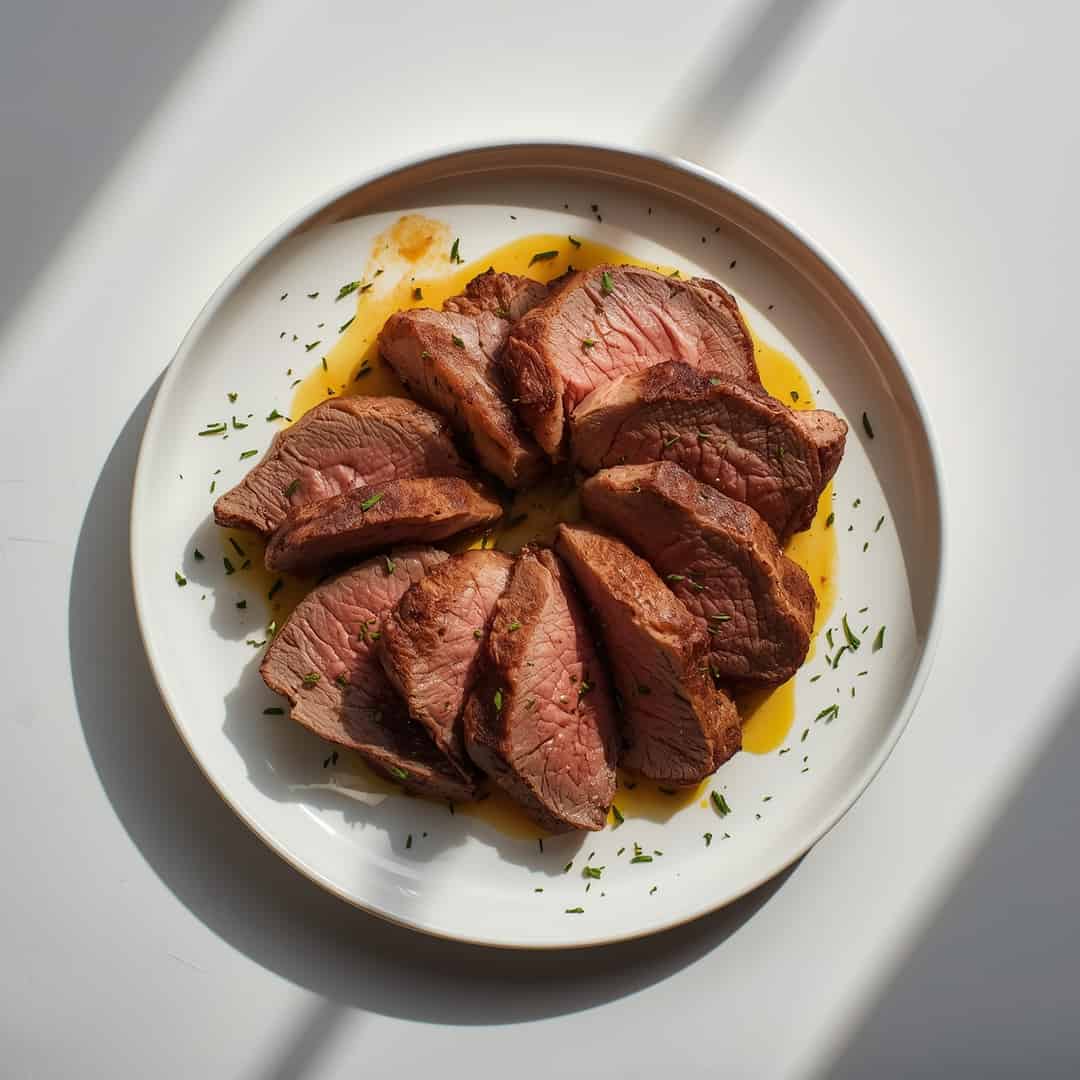
Easiest Boneless Prime Rib
Ingredients
Equipment
Method
- Preheat your oven to 450°F (230°C). Take your boneless prime rib roast out of the refrigerator at least 1 to 2 hours before cooking. If not already tied, loosely tie with kitchen twine. Pat the entire surface of the prime rib dry with paper towels.1 (3-4 pound) boneless prime rib roast, tied (if not already)
- In a small bowl, combine the softened unsalted butter, minced garlic, chopped fresh rosemary, chopped fresh thyme, kosher salt, and freshly ground black pepper. Mix until a well-combined paste forms.2 tablespoons unsalted butter, softened, 3 cloves garlic, minced, 1 tablespoon fresh rosemary, finely chopped, 1 tablespoon fresh thyme, finely chopped, 1 teaspoon kosher salt, ½ teaspoon freshly ground black pepper
- Gently spread the herb butter mixture all over the exterior of the prime rib roast, ensuring all surfaces are evenly coated.1 (3-4 pound) boneless prime rib roast, tied (if not already)
- Place the seasoned prime rib roast, fat-side up, in a roasting pan. Add about ½ cup of beef broth or red wine to the bottom of the pan if desired for pan juices.1 (3-4 pound) boneless prime rib roast, tied (if not already), beef broth or red wine for pan juices
- Transfer the roasting pan to the preheated 450°F (230°C) oven and roast for 15 minutes.
- Reduce the oven temperature to 325°F (160°C) and continue roasting. Cook for approximately 12-15 minutes per pound for medium-rare.
- Use an instant-read meat thermometer to check for desired doneness: rare (120-125°F), medium-rare (130-135°F), medium (135-140°F), or medium-well (145-150°F).
- Remove the roast from the oven, transfer to a cutting board, tent loosely with aluminum foil, and let rest for at least 15-20 minutes.
- While the roast rests, pour drippings into a saucepan, skim fat, and thicken with a cornstarch slurry or roux to make pan gravy. Season to taste.
- Remove the twine, slice the roast against the grain, and serve immediately with optional pan gravy.