
The perfect prime rib closed oven method ensures a succulent, evenly cooked roast every single time, making it the ultimate choice for impressing guests or elevating any special occasion. This straightforward technique guarantees a beautifully tender interior with a delightful crust, all with minimal fuss.
Key Ingredients for The Perfect Prime Rib
- 1 (3-4 pound) boneless prime rib roast (ribeye roast)
- 2 tablespoons olive oil
- 1 tablespoon unsalted butter, softened
- 2 teaspoons kosher salt
- 1 teaspoon freshly ground black pepper
- 1 teaspoon garlic powder
- 1 teaspoon dried rosemary
- 1 teaspoon dried thyme
- Optional for serving: Au jus, horseradish sauce, creamy mashed potatoes, roasted asparagus
How to Make The Perfect Prime Rib
This incredibly simple yet undeniably delicious perfect prime rib closed oven method is about to become your go-to for a truly satisfying meal. Expect a mouthwateringly tender roast with a rich, deeply savory flavor that speaks for itself. The preparation time is minimal, allowing you to focus on enjoying the company and the anticipation of a spectacular centerpiece. This recipe is designed for ease, delivering restaurant-quality results with basic pantry staples. Get ready for a flavor explosion that will have everyone asking for seconds!
Step-by-Step Instructions
Preparation is Key: Begin by taking your prime rib roast out of the refrigerator at least 2 hours before you plan to cook it. This allows the roast to come to room temperature, which is crucial for even cooking. Pat the entire roast thoroughly dry with paper towels. This step helps to develop a beautiful, crispy crust.
Crafting the Flavorful Rub: In a small bowl, combine the softened butter, olive oil, kosher salt, freshly ground black pepper, garlic powder, dried rosemary, and dried thyme. Mix until well combined to form a paste.
Rubbing in the Flavor: Generously rub the prepared butter and herb mixture all over the prime rib roast, ensuring every surface is coated. Don’t be shy; this rub injects immense flavor into the meat as it cooks.
Preheating for Perfection: Preheat your oven to 450°F (230°C). It’s important to get the oven nice and hot initially for the closed oven method.
The Closed Oven Method Begins: Place the seasoned prime rib roast, fat side up, on a V-rack set inside a roasting pan. If you don’t have a V-rack, you can create one by loosely arranging ribs from your butcher or even forming foil into sturdy supports to elevate the roast and allow air to circulate underneath.
The Initial Searing Heat: Once the oven reaches the preheated temperature of 450°F (230°C), carefully place the roasting pan with the prime rib into the oven. Immediately reduce the oven temperature to 325°F (160°C). Do not open the oven door for the next 2.5 to 3 hours. This is the “closed oven” aspect and is fundamental to the success of this method. The initial high heat sears the outside, and then the lower, consistent temperature gently cooks the interior, preserving moisture.
Monitoring for Doneness: The cooking time will vary depending on the size of your roast and your desired level of doneness. A general guideline is approximately 13-15 minutes per pound at 325°F (160°C) for medium-rare. For a 3-4 pound roast, this typically means around 2.5 to 3 hours of cooking time in total after the initial sear.
- Rare: 120-125°F (49-52°C)
- Medium-Rare (Recommended): 130-135°F (54-57°C)
- Medium: 140-145°F (60-63°C)
- Medium-Well: 150-155°F (66-68°C)
- Well-Done: 160°F (71°C) and above (not recommended for prime rib)
Use a reliable meat thermometer inserted into the thickest part of the roast, avoiding any bone. For the perfect prime rib closed oven method, you want to pull the roast from the oven when it reaches about 5-10 degrees below your target final temperature, as it will continue to cook during resting.
The Crucial Rest: Once your prime rib reaches your desired internal temperature, carefully remove the roasting pan from the oven. Transfer the roast to a clean cutting board and tent it loosely with aluminum foil. Allow the prime rib to rest for at least 20-30 minutes. This resting period is non-negotiable. It allows the juices to redistribute throughout the roast, resulting in an incredibly moist and tender steak. Skipping this step will lead to juices running out onto the cutting board, leaving your prime rib dry.
Carving and Serving: After resting, remove the foil. The roast should be beautifully browned and fragrant. Using a sharp carving knife, slice the prime rib against the grain into your desired thickness. Serve immediately with your favorite accompaniments like au jus, horseradish sauce, roasted vegetables, and creamy mash.
Why You’ll Love This Perfect Prime Rib
You’ll absolutely adore this perfect prime rib closed oven method for its unparalleled, melt-in-your-mouth tenderness and rich, savory flavor that truly defines a celebratory meal. Unlike many other roasts, prime rib boasts a delectable marbling that ensures juiciness and a luxurious texture that’s simply decadent. Furthermore, making it at home is surprisingly cost-effective compared to dining out, allowing you to enjoy a gourmet experience without breaking the bank. Coupled with the aromatic herb rub and the delightful possibility of a luscious au jus or creamy horseradish sauce, this recipe is a guaranteed winner. Don’t wait for a special occasion; discover the joy of creating this magnificent dish yourself and invite your taste buds on an unforgettable journey!
Storing and Reheating Tips
Leftover perfect prime rib can be a treasure, offering delicious meals for days. Once the roast has cooled to room temperature, tightly wrap any remaining portions in plastic wrap, followed by a layer of aluminum foil or place them in an airtight container. Properly stored in the refrigerator, leftover prime rib will remain fresh and incredibly flavorful for up to 3-4 days.
For longer storage, prime rib freezes exceptionally well. Cut the roast into individual serving portions before freezing for convenience. Wrap each portion tightly in plastic wrap, then in aluminum foil, or place them in freezer-safe bags, removing as much air as possible. Frozen prime rib can be kept for up to 2-3 months.
To reheat, the best method to retain moisture and tenderness is to gently warm the slices in a preheated oven at a low temperature of around 300°F (150°C) for about 10-15 minutes, or until heated through. Alternatively, you can briefly sear thin slices in a hot skillet with a touch of butter or oil, being careful not to overcook them. For larger portions, consider adding a splash of beef broth to the pan while reheating to help keep the meat moist.
Final Thoughts
Mastering the perfect prime rib closed oven method is within your reach, offering a truly spectacular centerpiece for any meal. This foolproof technique guarantees exceptional flavor and tenderness, making it a must-try recipe for any home cook. Give it a go for your next gathering and savor the delicious results!
try also :
- Air Fryer Sweet Potatoes
- Crockpot Beef Fajitas
- Ground Turkey Sweet Potato Bake
- Cheesy Pumpkin Stuffed Pretzel Bites
- Find more in Pinterest
- Medium
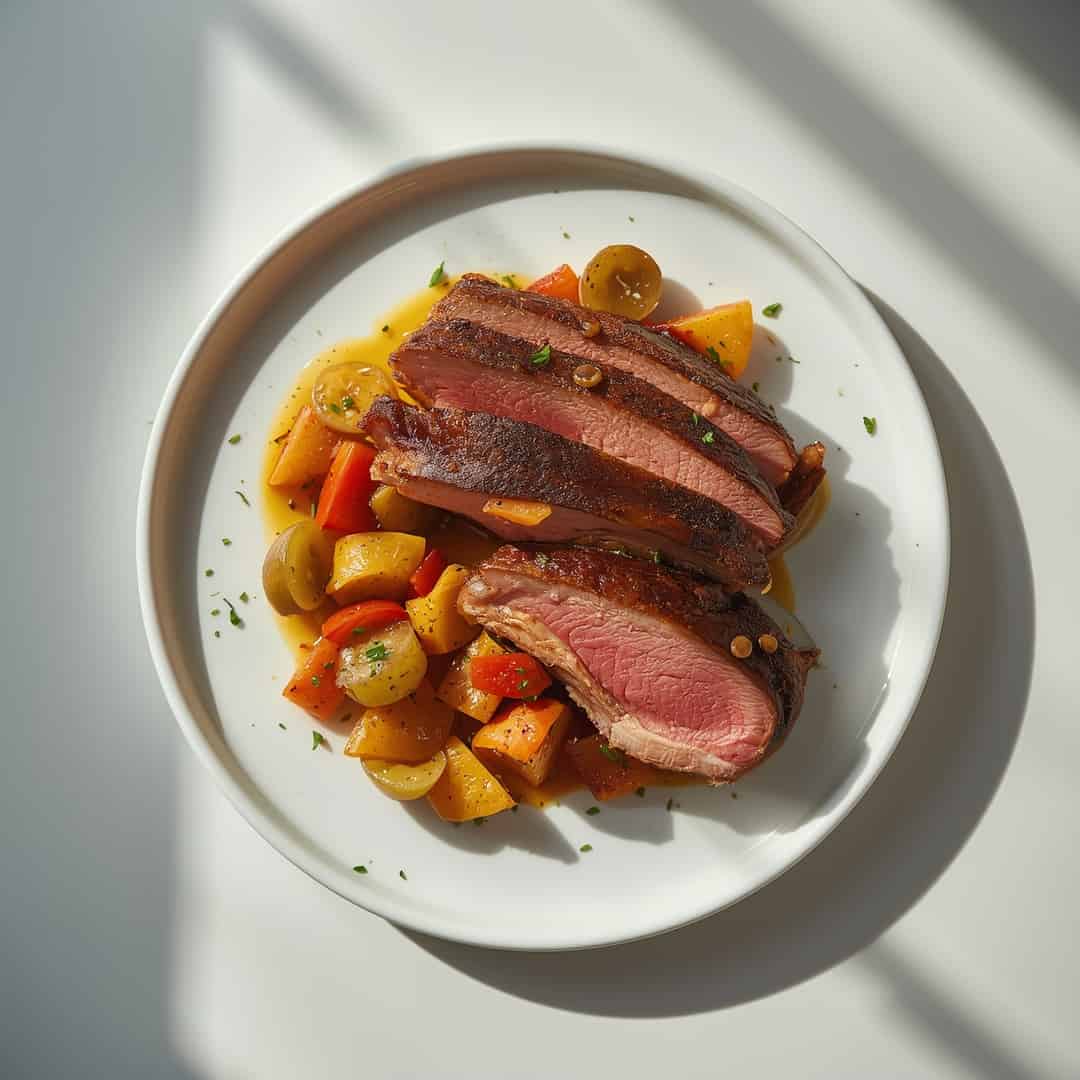
The Perfect Prime Rib Closed Oven Method
Ingredients
Equipment
Method
- Begin by taking your prime rib roast out of the refrigerator at least 2 hours before you plan to cook it. This allows the roast to come to room temperature, which is crucial for even cooking. Pat the entire roast thoroughly dry with paper towels. This step helps to develop a beautiful, crispy crust.1 (3-4 pound) boneless prime rib roast (ribeye roast)
- In a small bowl, combine the softened butter, olive oil, kosher salt, freshly ground black pepper, garlic powder, dried rosemary, and dried thyme. Mix until well combined to form a paste.2 tablespoons olive oil, 1 tablespoon unsalted butter, softened, 2 teaspoons kosher salt, 1 teaspoon freshly ground black pepper, 1 teaspoon garlic powder, 1 teaspoon dried rosemary, 1 teaspoon dried thyme
- Generously rub the prepared butter and herb mixture all over the prime rib roast, ensuring every surface is coated. Don’t be shy; this rub injects immense flavor into the meat as it cooks.1 (3-4 pound) boneless prime rib roast (ribeye roast)
- Preheat your oven to 450°F (230°C). It’s important to get the oven nice and hot initially for the closed oven method.
- Place the seasoned prime rib roast, fat side up, on a V-rack set inside a roasting pan. If you don’t have a V-rack, you can create one by loosely arranging ribs from your butcher or even forming foil into sturdy supports to elevate the roast and allow air to circulate underneath.1 (3-4 pound) boneless prime rib roast (ribeye roast)
- Once the oven reaches the preheated temperature of 450°F (230°C), carefully place the roasting pan with the prime rib into the oven. Immediately reduce the oven temperature to 325°F (160°C). Do not open the oven door for the next 2.5 to 3 hours. This is the "closed oven" aspect and is fundamental to the success of this method. The initial high heat sears the outside, and then the lower, consistent temperature gently cooks the interior, preserving moisture.1 (3-4 pound) boneless prime rib roast (ribeye roast)
- The cooking time will vary depending on the size of your roast and your desired level of doneness. A general guideline is approximately 13-15 minutes per pound at 325°F (160°C) for medium-rare. For a 3-4 pound roast, this typically means around 2.5 to 3 hours of cooking time in total after the initial sear. Use a reliable meat thermometer inserted into the thickest part of the roast, avoiding any bone. For the perfect prime rib closed oven method, you want to pull the roast from the oven when it reaches about 5-10 degrees below your target final temperature, as it will continue to cook during resting.Dough Fahrenheit (Celsius)
- Rare: 120-125°F (49-52°C)
- Medium-Rare (Recommended): 130-135°F (54-57°C)
- Medium: 140-145°F (60-63°C)
- Medium-Well: 150-155°F (66-68°C)
- Well-Done: 160°F (71°C) and above (not recommended for prime rib)
- Once your prime rib reaches your desired internal temperature, carefully remove the roasting pan from the oven. Transfer the roast to a clean cutting board and tent it loosely with aluminum foil. Allow the prime rib to rest for at least 20-30 minutes. This resting period is non-negotiable. It allows the juices to redistribute throughout the roast, resulting in an incredibly moist and tender steak. Skipping this step will lead to juices running out onto the cutting board, leaving your prime rib dry.1 (3-4 pound) boneless prime rib roast (ribeye roast)
- After resting, remove the foil. The roast should be beautifully browned and fragrant. Using a sharp carving knife, slice the prime rib against the grain into your desired thickness. Serve immediately with your favorite accompaniments like au jus, horseradish sauce, roasted vegetables, and creamy mash.1 (3-4 pound) boneless prime rib roast (ribeye roast), Au jus, horseradish sauce, creamy mashed potatoes, roasted asparagus